
Inca civilization
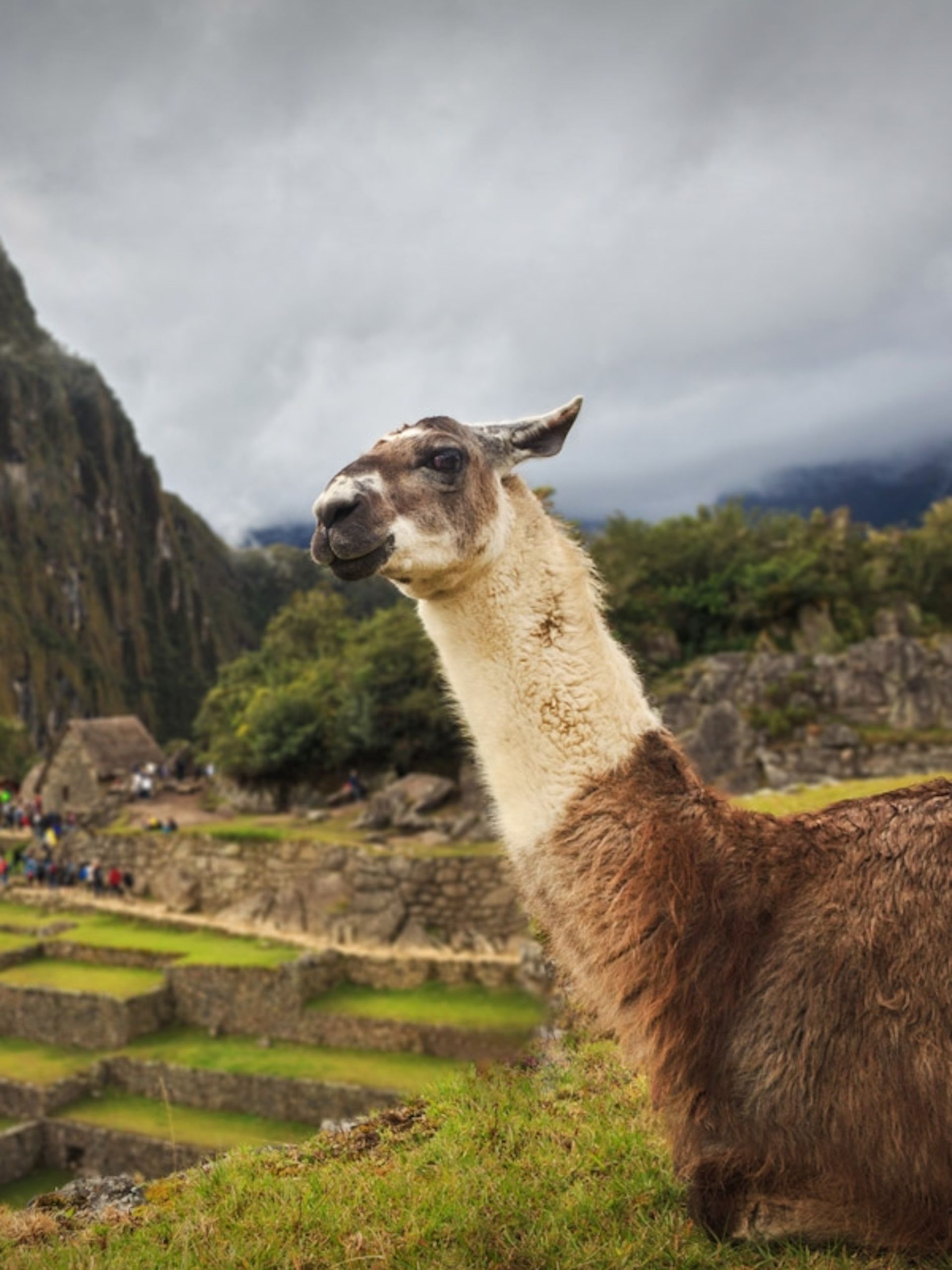
The year is 1475. It’s wintertime, and the Inca (EENG-kah) royal family is vacationing in Machu Picchu, a small city that serves as their royal retreat in what’s now Peru. The Inca capital city, Cusco, is now too cold, so the royals have travelled about 50 miles down the Andes mountains.
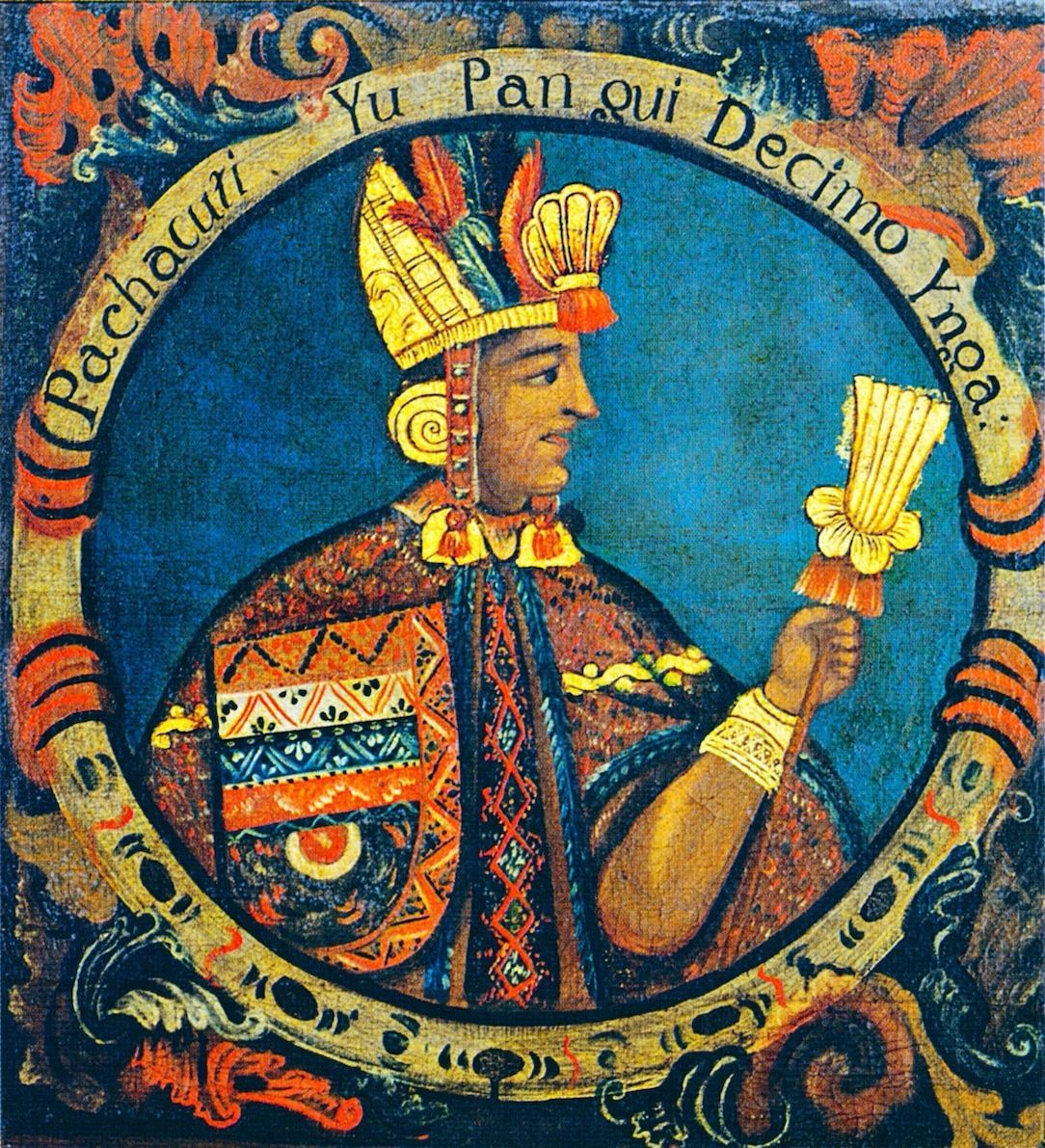
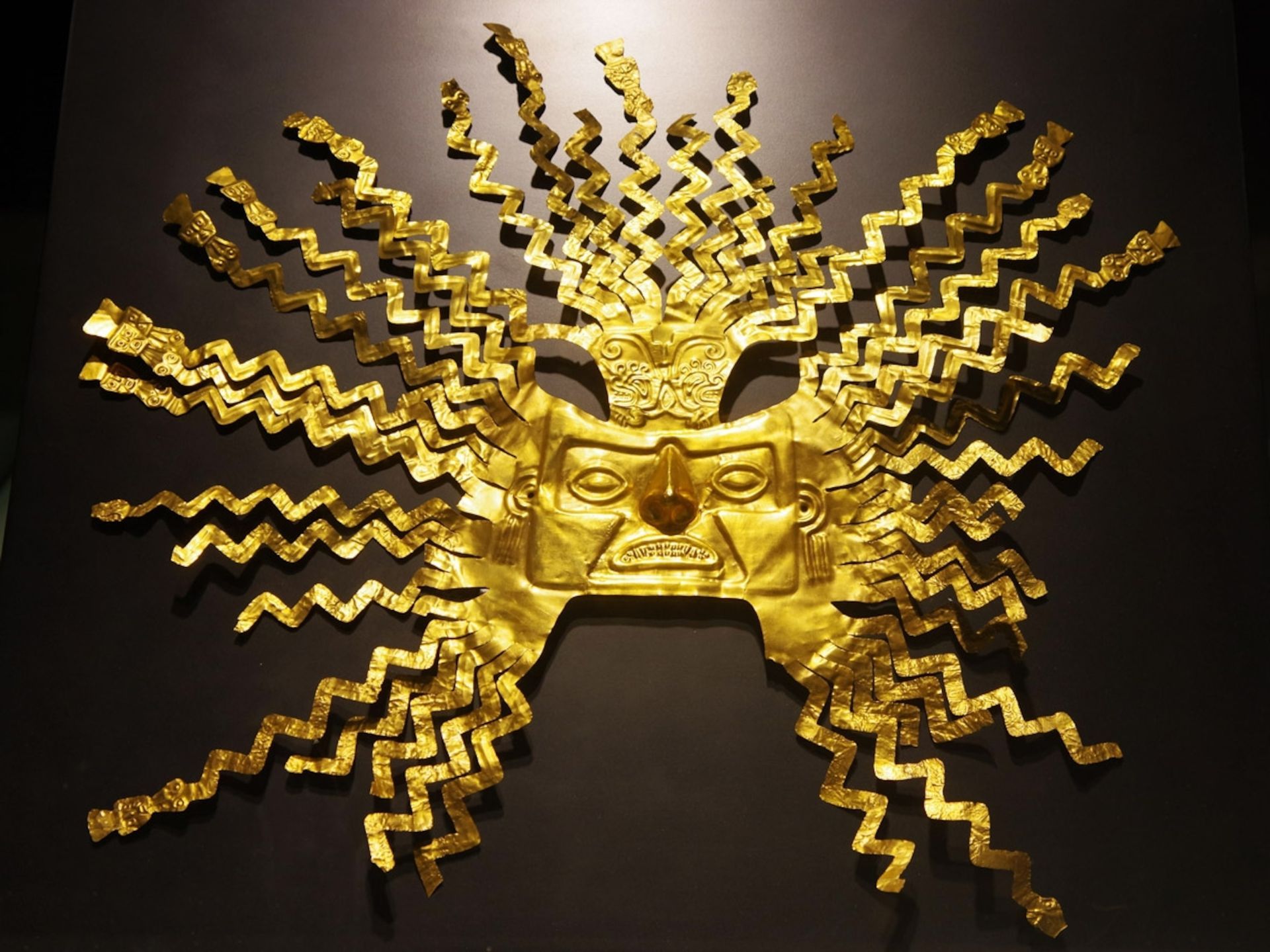
Wearing golden jewellery and colourful ponchos made of alpaca wool, the royals, priests, and other high-ranking officials feast, hunt, worship their gods, and entertain guests. Meanwhile, the other 750 residents work to maintain the city, serving the royals and growing food like potatoes, corn, and beans on the hillside.
At their most powerful, the Inca had the largest empire in the world at the time—today, it’s still the largest empire to ever exist in the Americas. Stretching from modern-day southern Colombia to southern Chile, they ruled over western South America from the Andes to the Pacific Ocean. Although Spain conquered the Inca Empire in 1533, many Inca people retreated into the mountains, where their culture, language, and practices remain today.